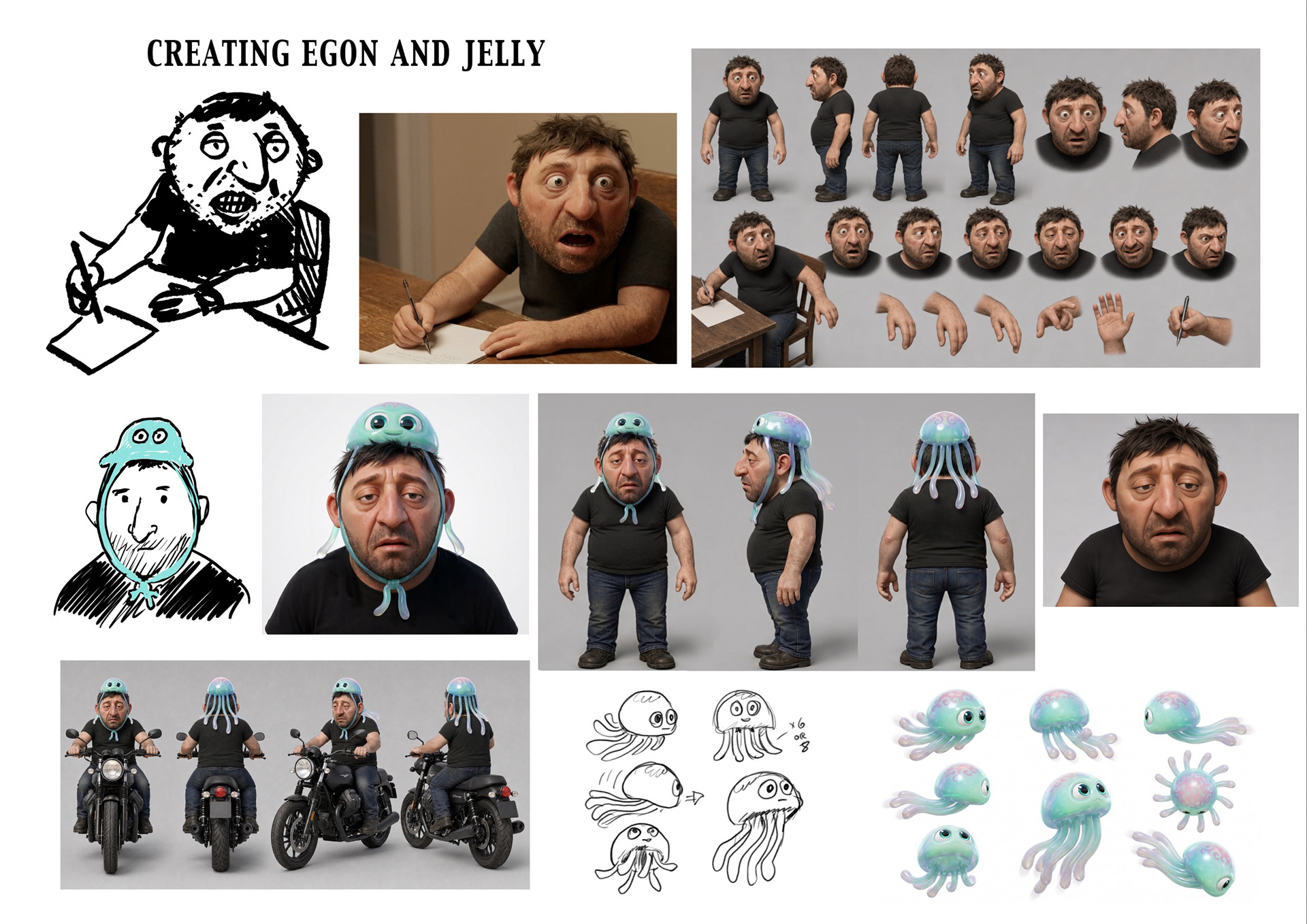
Creating The Strange Case of Egon W. involved much more preparation than it might seem at first glance.
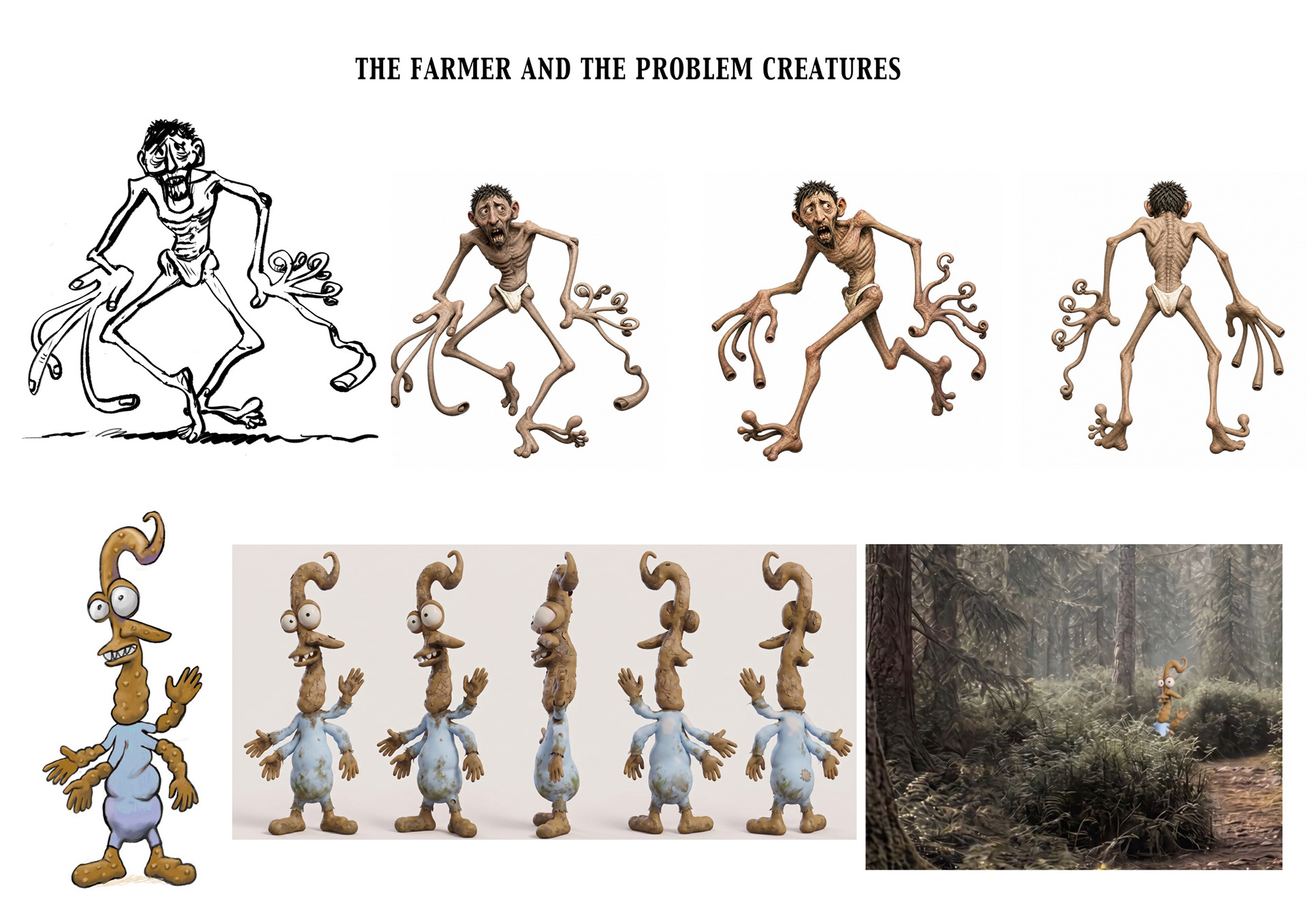
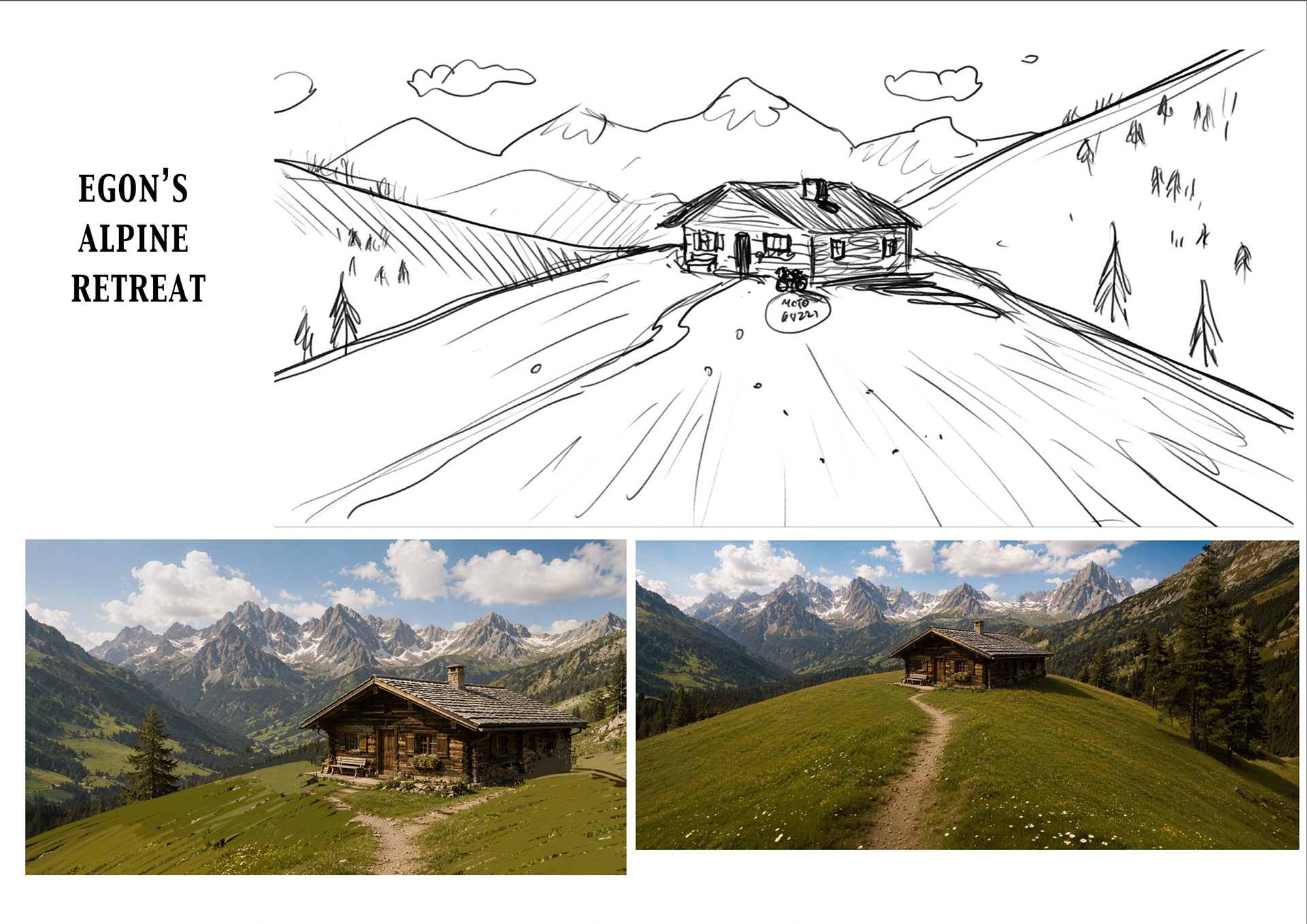
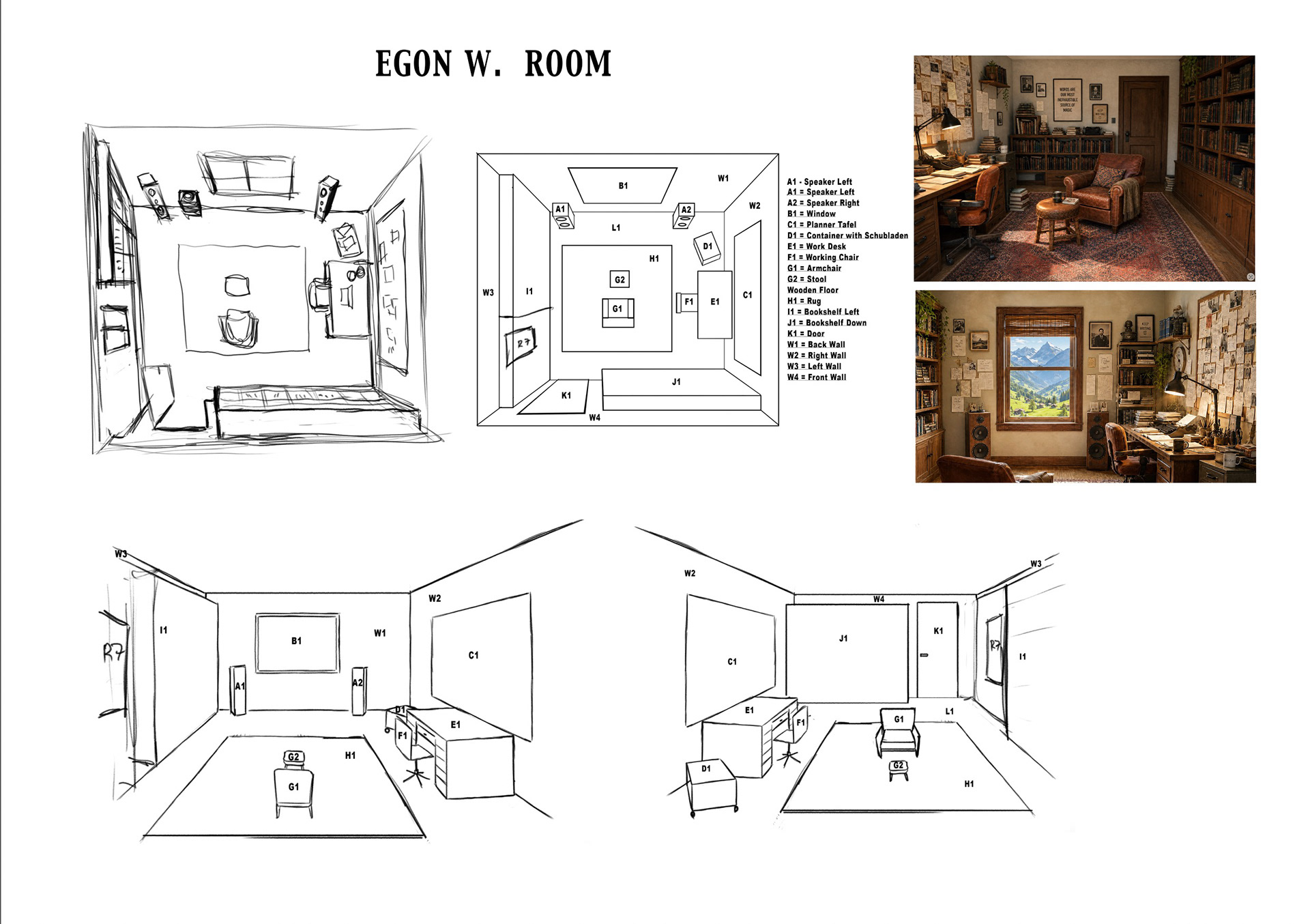
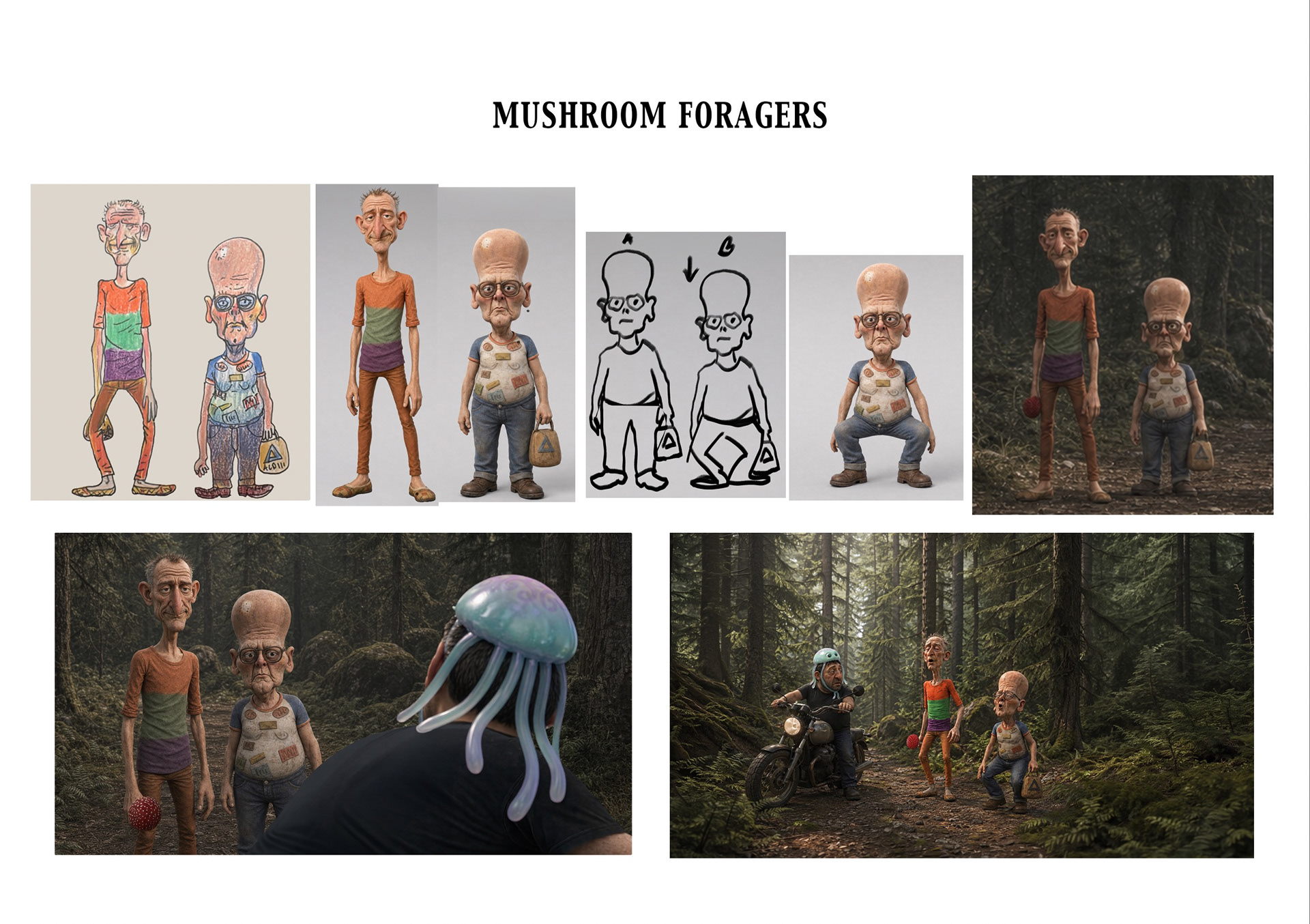
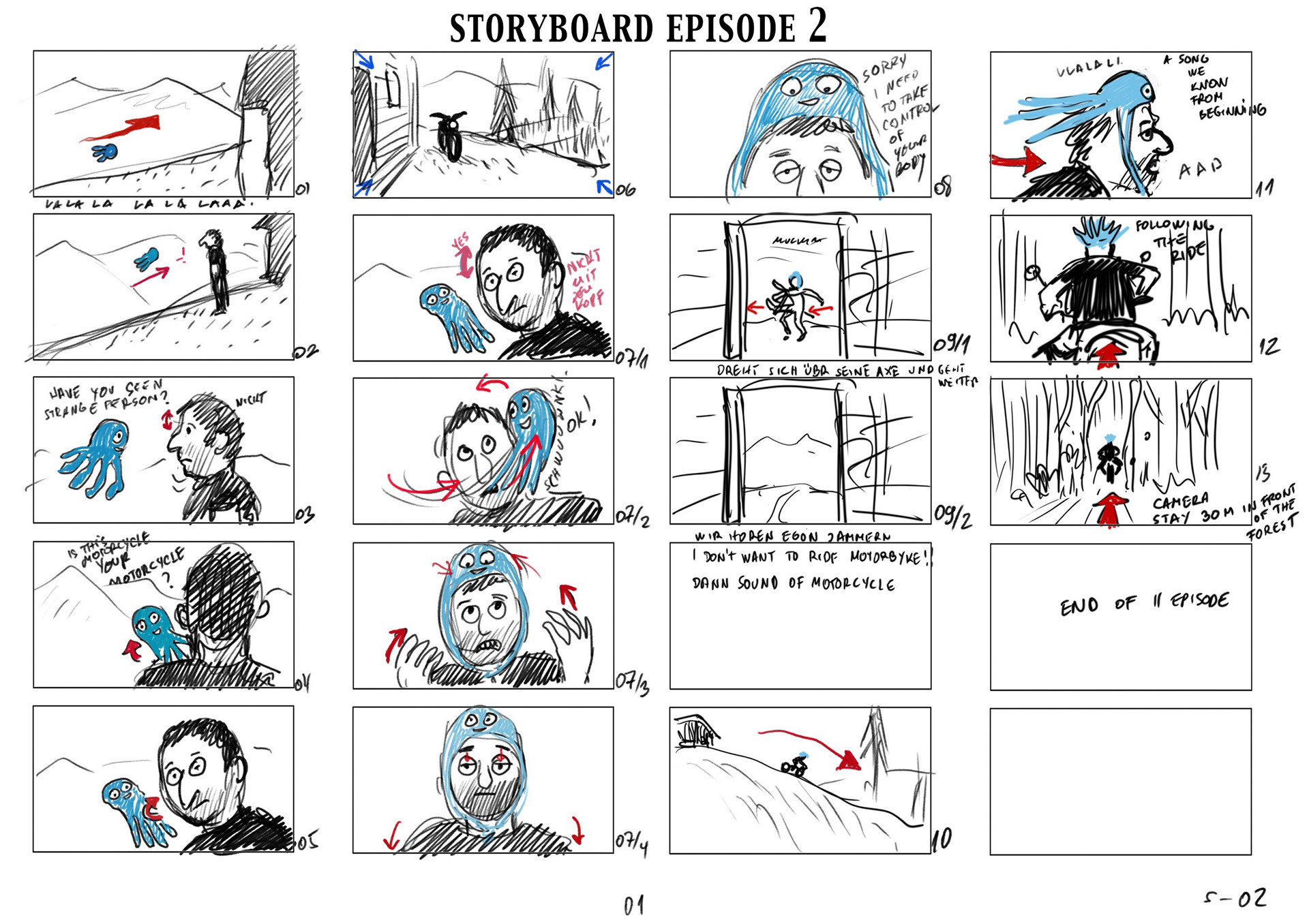
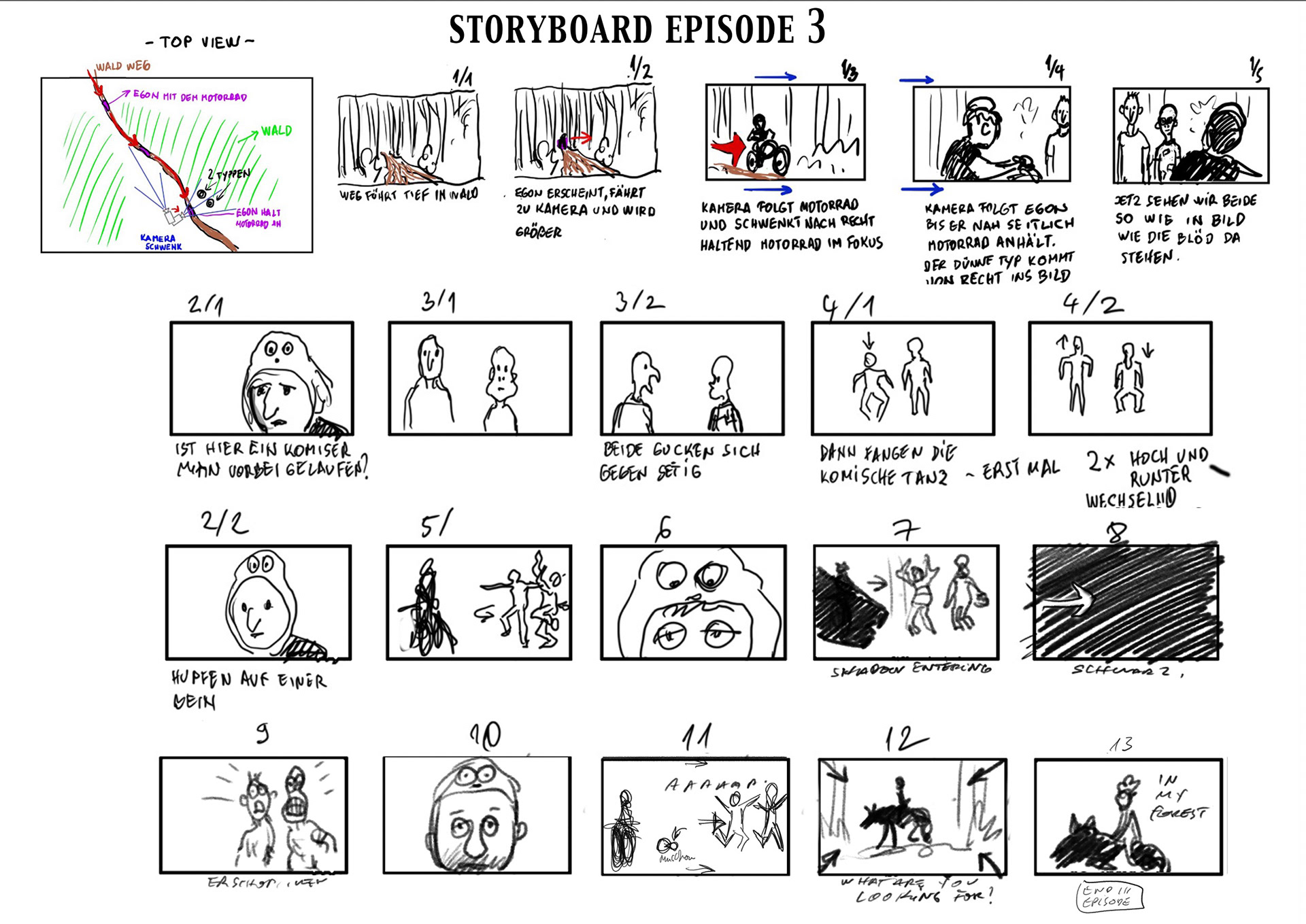
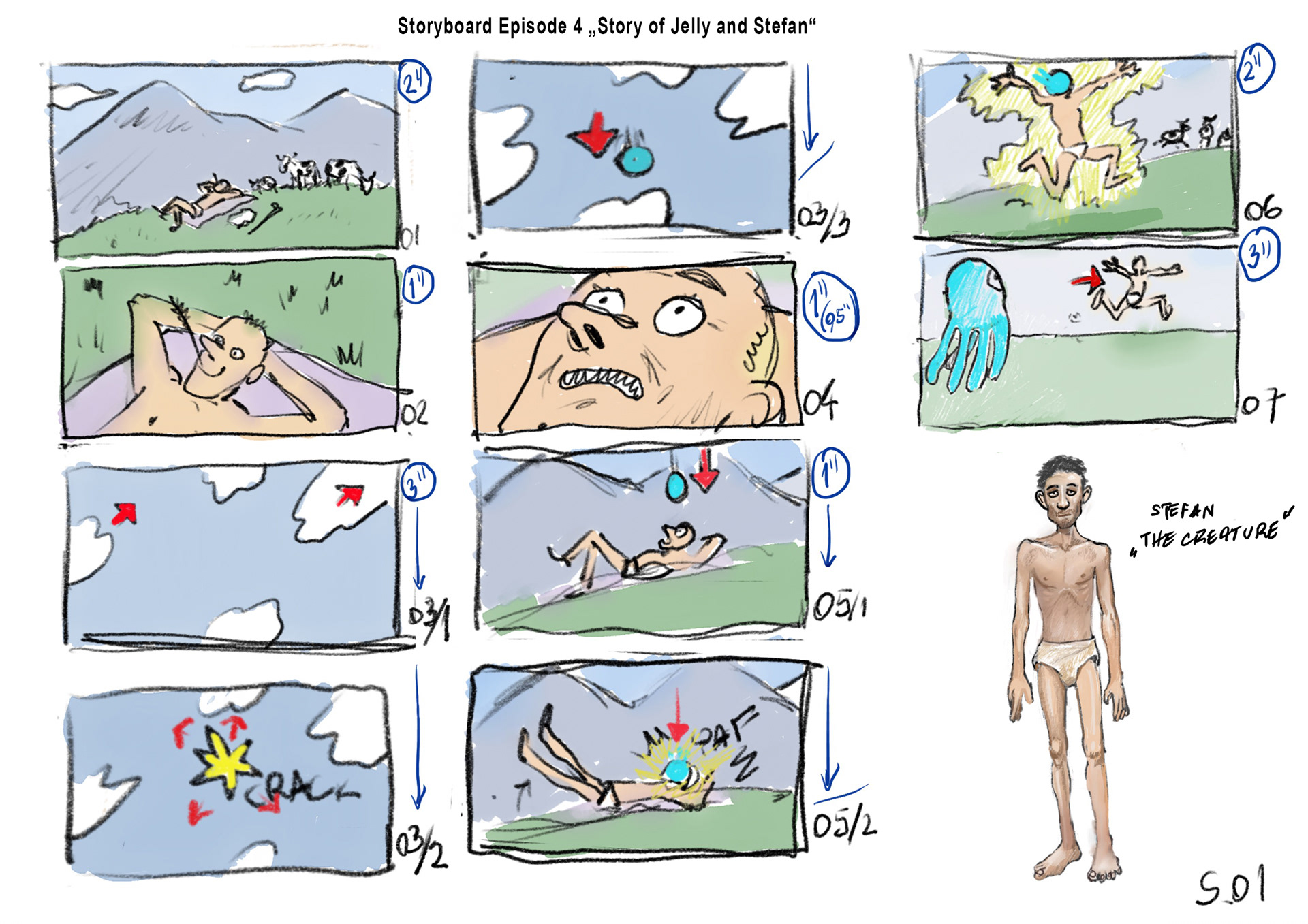
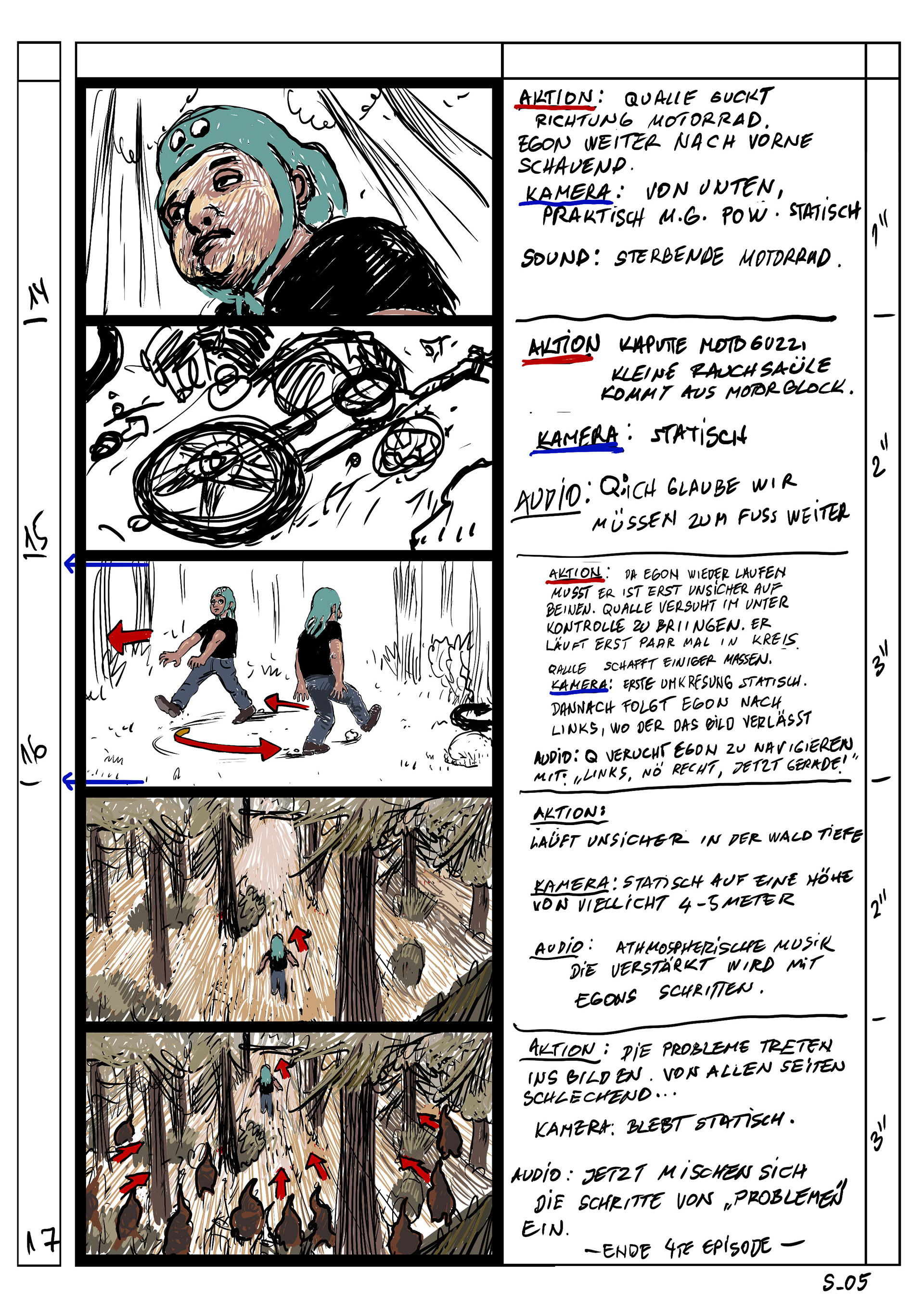
A lot of the work happened before the actual animation process began: drawing, sketching, testing characters, building scenes, correcting details, and slowly finding the right visual language for Egon’s world. Even during production, many additional sketches and visual adjustments were needed to keep the characters, movements, and atmosphere consistent.
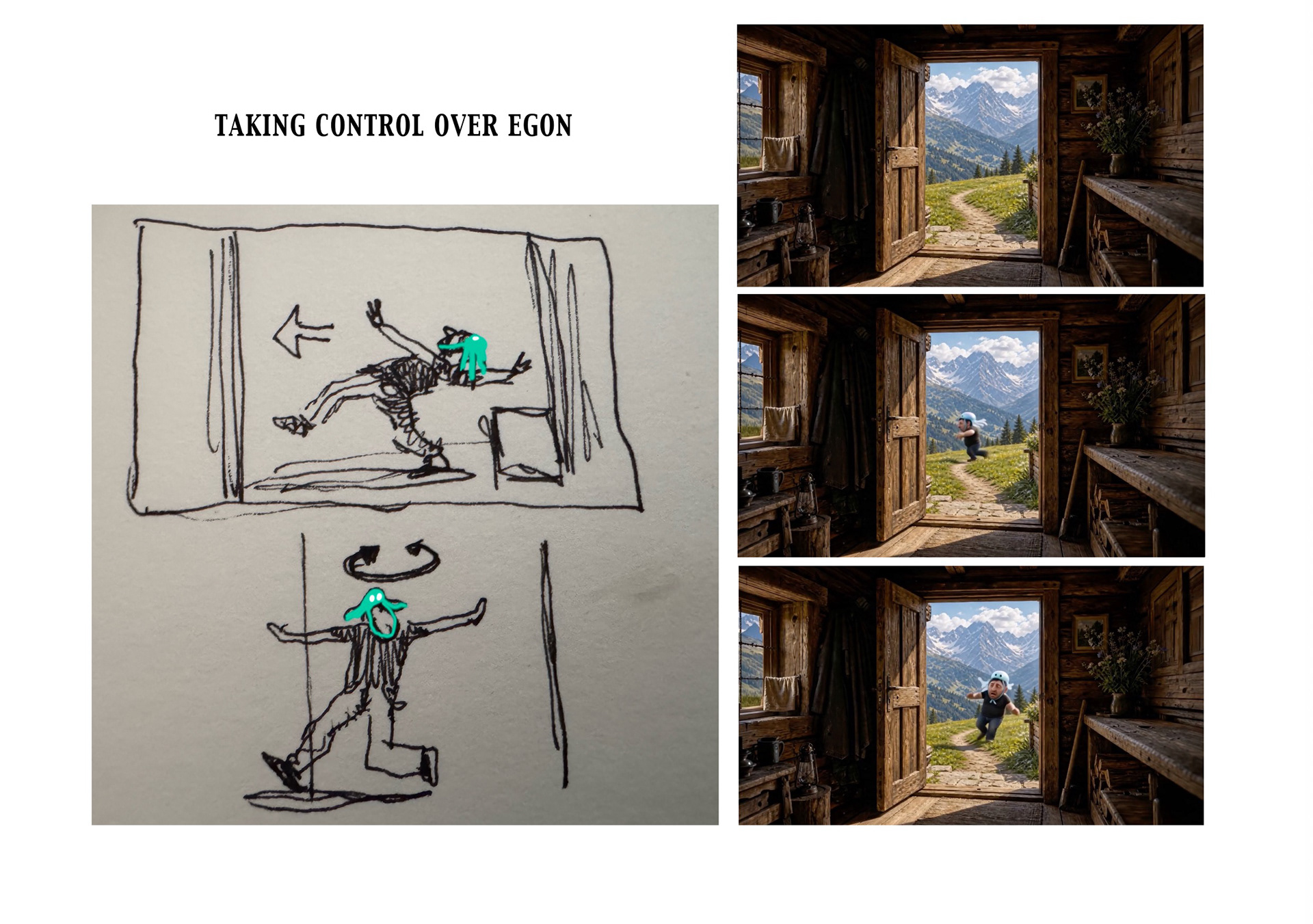
Most of the animated shots were created using a first-frame / last-frame approach. This means that I often had to build the key images by hand first — either through drawing, Photoshop, or other visual tools — before using a prompt to guide the movement from image A to image B.
So the AI was not simply generating everything from nothing. It was more like a strange production partner: I had to prepare the visual material, define the direction, correct mistakes, rebuild frames, and guide the motion again and again until the scene started to feel right.
In that sense, Egon is a mix of traditional visual work, digital image-making, prompting, and a lot of trial and error.

Prompt:
Find the image of Egon with his eyes wide open. Take a screenshot. Open the screenshot in Photoshop.
Apply color correction so that this crop matches the look of the other image as closely as possible.
Select the eyes, copy them, and paste them into the target image. Cut away all remaining unwanted parts and keep only the eyes on a separate layer.
Select the pupils, copy them, and remove them from the main eye layer. Once the pupils have been removed, paste the copied pupils back in from the clipboard.
Clean everything up first, then position the pupils correctly on new layers, so that they are looking upward toward the jellyfish.
Remove any parts of the pupils that should be hidden behind the eyelids. Soften the transitions and make everything look natural.
And so on, and so on.